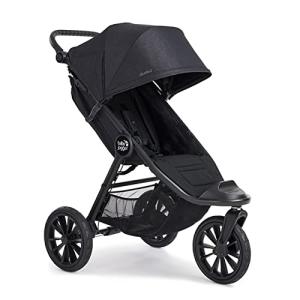
The Ultimate Guide to Pushchairs and Prams: Making the Right Choice for Your Family
With the arrival of a new baby, parents are frequently overwhelmed by the myriad of choices they deal with, particularly when it concerns selecting the best pushchair or pram. Understanding the different types, features, and factors to consider can help make this important choice simpler. This guide will dive into the crucial differences between pushchairs and prams, their different usages, and important features to search for. It will also respond to typical concerns moms and dads may have, supported by tables for a clearer comparison.
Comprehending Pushchairs and Prams
Before buying, it's necessary to distinguish in between a pushchair and a pram:
Pushchair
A pushchair, also referred to as a stroller, is a versatile tool designed for older babies and young children. Pushchairs And Prams are normally lightweight, much easier to maneuver, and frequently come with features such as adjustable manages and reclining seats.
Pram
On the other hand, a pram is created mainly for newborns and younger babies. It has a flat, lie-down position that supports a baby's spinal column and permits comfortable naps. Prams typically have a more traditional style and are bulkier compared to pushchairs.
| Function | Pushchair | Pram |
|---|---|---|
| Age Suitability | From about 6 months onwards | Newborn to around 6 months |
| Seat Position | Upright, reclining | Flat, lie-flat position |
| Weight | Usually lighter and more compact | Frequently much heavier and bulkier |
| Maneuverability | Much easier to navigate | Usually more stable |
| Storage Space | Usually has extra storage | May have restricted storage |
Types of Pushchairs and Prams
When it concerns alternatives, there are various designs of pushchairs and prams readily available for parents to select from:
1. Standard Prams
- Ideal for newborns.
- Include a totally flat and roomy sleeping location.
- Frequently come with a vintage style.
2. Travel Systems
- Combinations of safety seat and pushchair.
- Allows for simple transitioning from cars and truck to pushchair.
- Versatile and practical for moms and dads on the go.
3. Umbrella Strollers
- Light-weight and compact.
- Easy to fold and carry, making them ideal for travel.
- Frequently less durable, ideal for older babies who can sit upright.
4. All-Terrain Pushchairs
- Developed for varied surfaces, such as parks or uneven paths.
- Function large wheels for much better maneuverability.
- Typically bulkier however outstanding for adventurous households.
5. Double Strollers
- Suitable for families with twins or 2 kids of different ages.
- Can be side-by-side or tandem.
- Offers various setups for comfort and benefit.
6. Jogging Strollers
- Created for active moms and dads who want to run or jog with their child.
- Features larger wheels and a durable frame for stability throughout motion.
- Should be utilized with caution for security.
Secret Features to Consider
Choosing the right pushchair or pram involves comprehending the important functions that will boost the experience for both the parent and the kid. Here are some crucial factors to consider:
1. Security
- Harness System: Ensure that the pushchair or pram has a safe and secure harness system-- ideally, a five-point harness for added security.
- Braking System: Look for a trustworthy braking system that can be quickly triggered by the moms and dad.
2. Comfort
- Cushioned Seat: A well-padded seat will make sure that the baby is comfortable throughout rides.
- Reclining Feature: The ability to recline is necessary for younger babies who might need to lie flat.
3. Maneuverability
- Swivel Wheels: Swiveling front wheels can make it much easier to navigate congested areas.
- Suspension: Good suspension aids in keeping the ride smooth over various terrains.
4. Size and Weight
- Weight: A lightweight frame can make it simpler for parents to lift and bring.
- Foldability: Consider how simple it is to fold and keep the pushchair or pram.
5. Storage
- Basket Space: Ample storage beneath the seat can accommodate diaper bags and shopping.
- Extra Pockets: Look for designs with pockets for easy access to essentials like secrets and phone.
6. Durability
- Weight Limit: Check the producer's weight limit to ensure that the pushchair or pram will last as your kid grows.
- Flexibility: Some models can adapt from a pram to a pushchair or accommodate a 2nd seat for brother or sisters.
FAQ: Common Questions About Pushchairs and Prams
1. What is the distinction in between a pushchair and a stroller?
A pushchair is generally a lightweight option for older infants and toddlers, while a stroller is a wider term that can encompass different styles, including those for babies.
2. Can I use a pushchair for a newborn?
Generally, pushchairs are suitable for babies aged 6 months and older. However, some travel systems feature infant automobile seats that can be connected for newborns.
3. How do I clean my pushchair or pram?
The majority of pushchairs and prams included detachable, machine-washable material covers. Regularly wipe down the frame and wheels to keep it tidy.
4. Are there any security policies I should look for?
Make sure that the pushchair or pram meets safety requirements set by your nation. Search for accreditations or labels from regulatory bodies.
5. Just how much should I expect to invest in a quality pushchair or pram?
Prices can vary extensively-- standard designs may start around ₤ 100, while high-end models can surpass ₤ 1,000. Consider your budget plan and desired functions.
Picking the ideal pushchair or pram is an important task for brand-new parents. While the options might appear frustrating, understanding the distinctions and specific features will make it easier to pick the very best fit for your family's lifestyle. Whether you focus on portability, comfort, or security, making the effort to pick carefully can enhance your parenting journey. Remember, investing in a quality pushchair or pram is purchasing benefit and convenience for both you and your kid.